

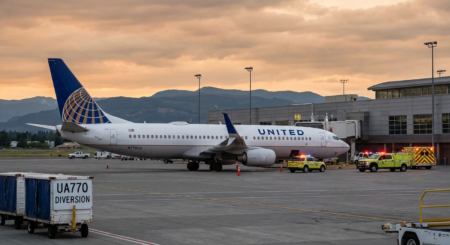
5 Critical Facts About the United Airlines Flight UA770 Emergency Diversion
When a commercial flight makes an emergency diversion, passengers and aviation watchers alike want to know what happened and why. The United Airlines Flight UA770 emergency diversion captured attention and raised important questions about airline safety protocols, crew decision-making, and what really goes on when a plane changes course mid-flight. This list breaks down the key facts you need to understand about this incident, from the technical details to the human elements that shaped how events unfolded. Whether you’re a frequent flyer, an aviation enthusiast, or simply curious about what happens when things don’t go as planned at 35,000 feet, these five points will give you a clear picture of what took place and what it means for air travel safety.
United Airlines Flight UA770 Emergency Diversion Explained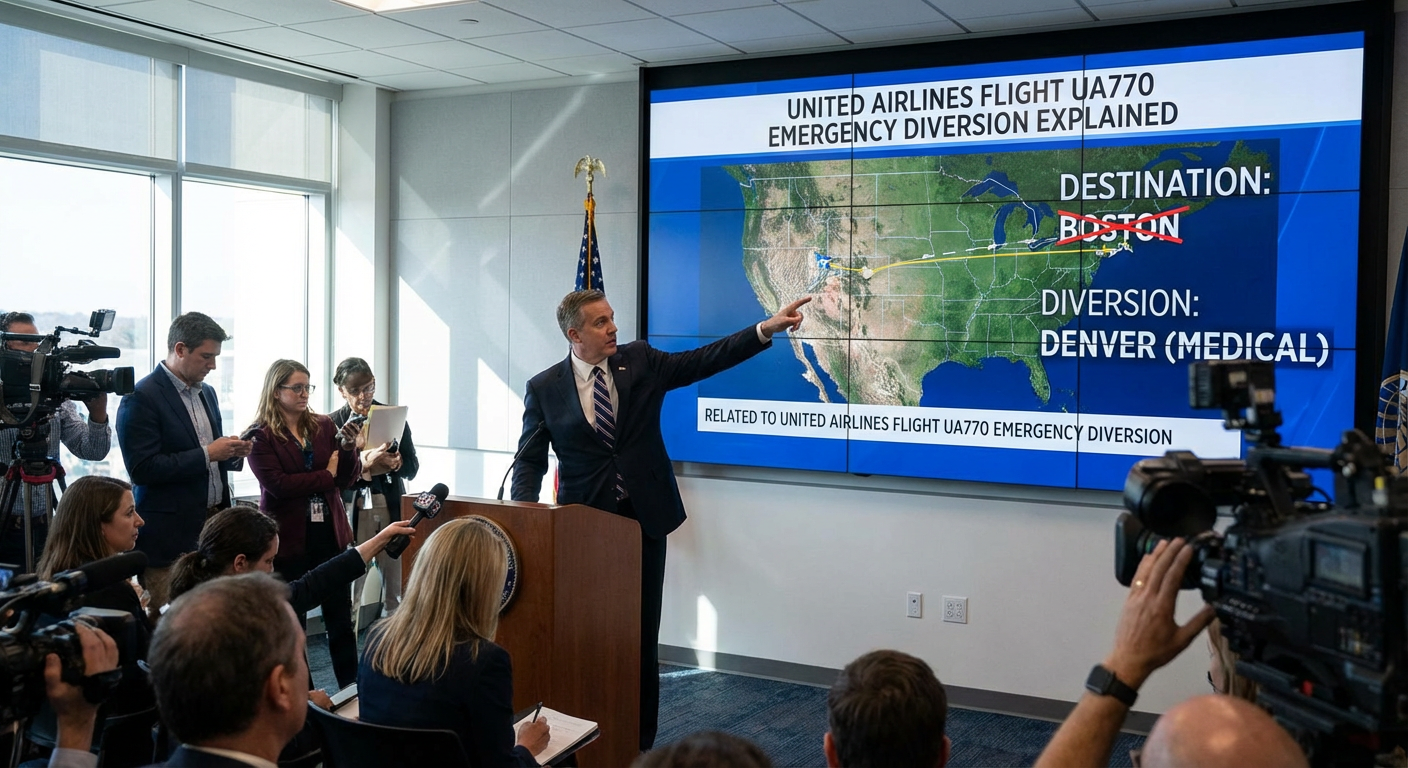
Flight UA770 operates as a long-haul international route, typically connecting major cities across continents. When this particular flight experienced an emergency situation that required an unscheduled landing, the crew followed established protocols to ensure passenger safety remained the top priority. The diversion involved rerouting the aircraft to the nearest suitable airport where medical facilities, maintenance support, and ground services could address the situation properly.
Emergency diversions on international flights present unique challenges compared to domestic routes. The aircraft may be over open ocean or remote terrain, limiting immediate landing options. Fuel calculations become critical, as pilots must balance the urgency of the situation against the need to reach a safe airport with adequate runway length and emergency services. In the case of UA770, the flight crew coordinated with air traffic control across multiple jurisdictions to identify the best diversion airport given the specific circumstances they faced.
The decision to divert is never taken lightly. Pilots weigh factors including the nature of the emergency, weather conditions at potential diversion airports, the aircraft’s current fuel state, and the availability of appropriate ground support. For UA770, these considerations led to a controlled diversion that allowed the plane to land safely and address the issue that prompted the emergency declaration. United Airlines later provided updates to affected passengers and worked to minimize disruption by arranging alternate travel or accommodations as needed.
The Medical Emergency Factor in Flight Diversions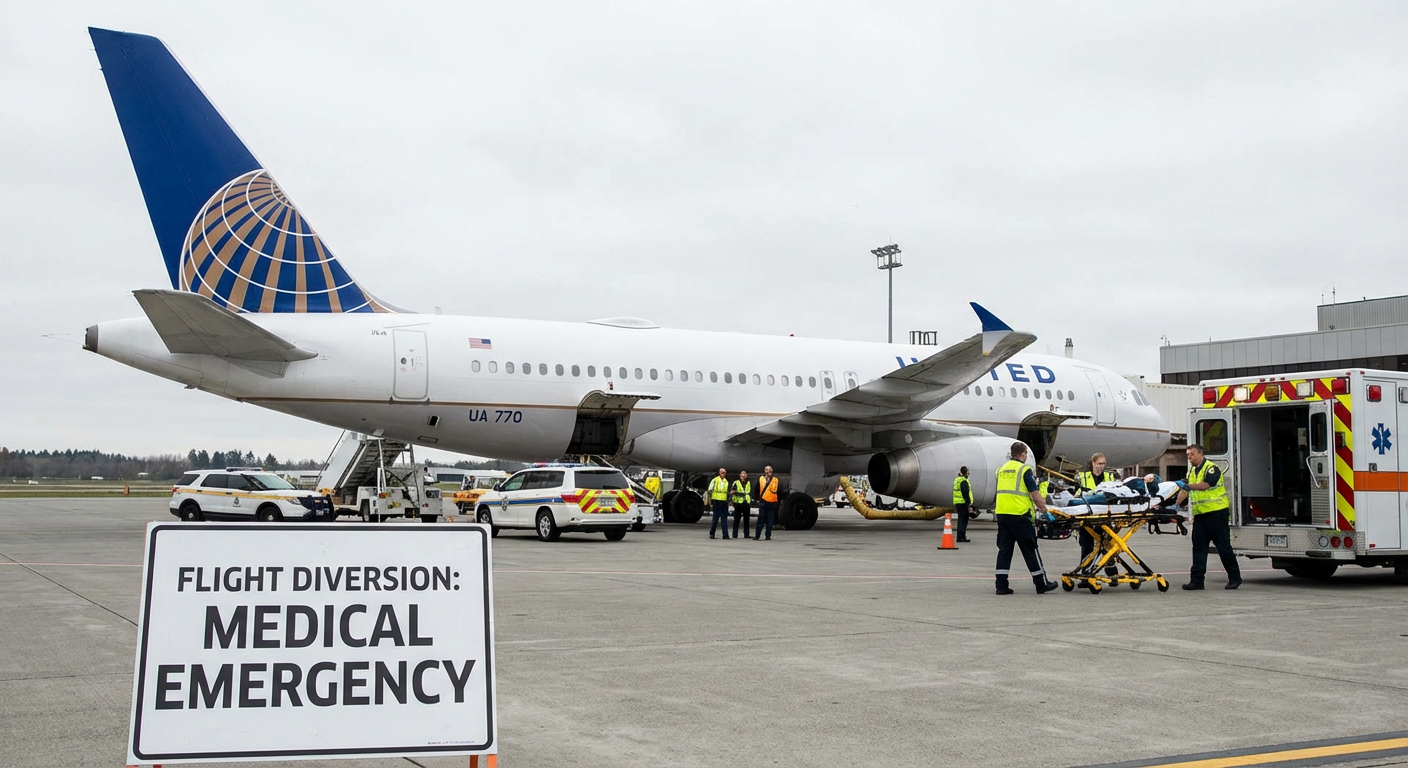
Medical emergencies represent one of the most common reasons commercial flights divert from their planned routes. When a passenger experiences a serious health crisis at altitude, the flight crew must act quickly to assess whether the situation can be managed onboard or requires immediate ground-based medical intervention. Modern aircraft carry medical kits and automated external defibrillators, and airlines often have access to ground-based medical consultants who can provide guidance via satellite communication.
The decision tree for medical diversions involves several key questions. Is the passenger’s condition stable or deteriorating? How far is the flight from its destination versus the nearest suitable diversion airport? Are there medical professionals among the passengers who can assist? What level of medical care will be available at potential diversion airports? These factors must be evaluated quickly, often within minutes, as the crew balances the needs of one passenger against the impact on hundreds of others.
Time-sensitive conditions like heart attacks, strokes, severe allergic reactions, or complications from pre-existing conditions can force a captain’s hand. While some passengers worry about the costs or inconvenience of diversions, aviation regulations and airline policies consistently prioritize health and safety over schedule adherence. Airlines maintain insurance and operational procedures specifically to handle these situations, and pilots receive regular training on how to make these critical calls. The financial and logistical burden of a diversion falls on the airline, not on the passenger whose medical emergency prompted the change in plans.
Technical Malfunctions That Trigger Emergency Protocols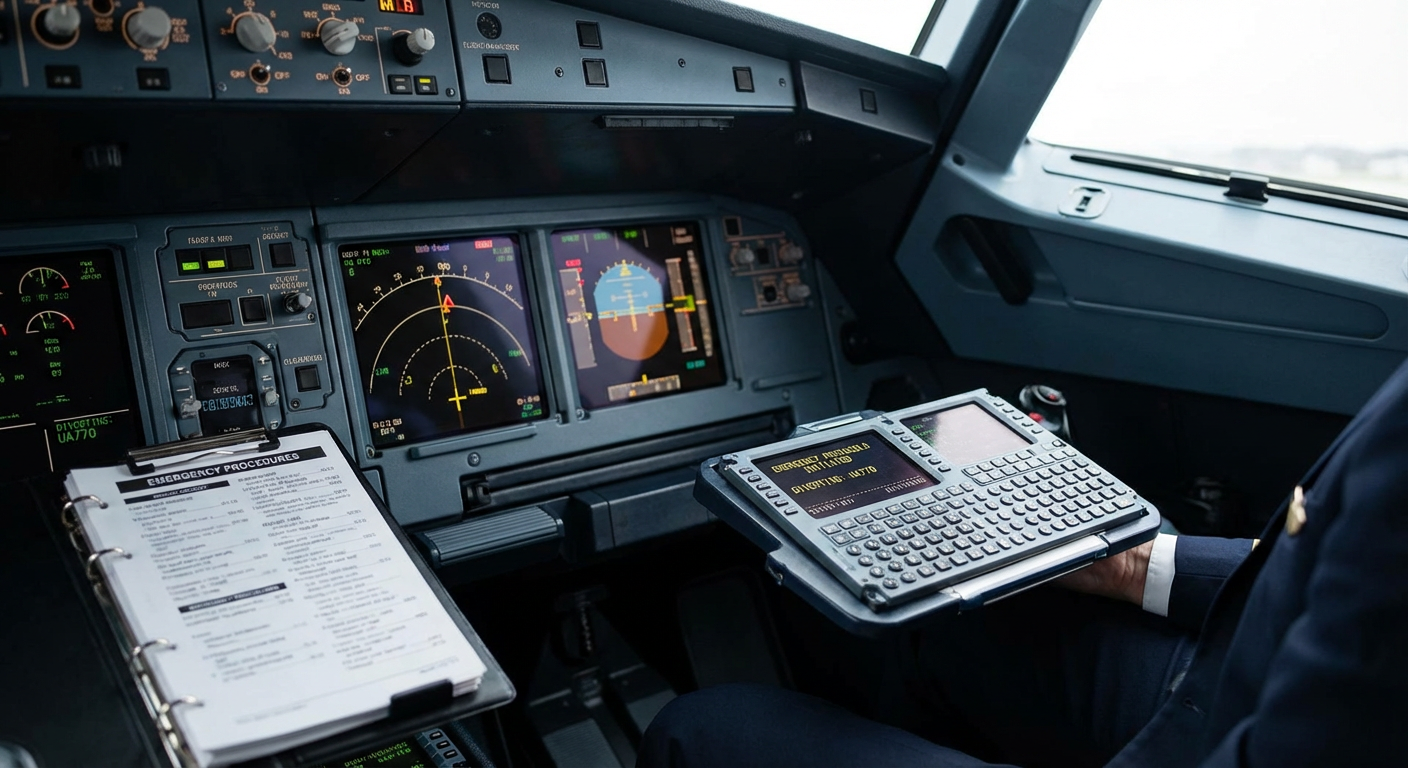
Aircraft systems are built with multiple layers of redundancy, but mechanical or technical issues still occasionally require immediate attention. Warning lights, unusual sounds, or instrument readings that fall outside normal parameters can indicate problems ranging from minor glitches to serious malfunctions. Pilots are trained to respond to these alerts using detailed checklists that guide them through diagnostic steps and appropriate responses.
Common technical issues that might prompt a diversion include hydraulic system problems, engine anomalies, pressurization failures, or electrical malfunctions. Modern aircraft can typically fly safely even with one system compromised, thanks to backup systems and careful engineering. However, certain combinations of failures or single-point issues affecting critical systems require landing as soon as practical conditions allow. The distinction between “land immediately” and “land as soon as practical” matters greatly in aviation. The former indicates an extreme emergency requiring the nearest runway regardless of facilities, while the latter allows for selecting an airport with better support infrastructure.
Maintenance records, real-time system monitoring, and communication between the flight crew and airline operations centers all play roles in assessing technical problems. Airlines employ teams of engineers and technicians who can analyze data transmitted from the aircraft and provide guidance on whether a reported issue requires immediate landing or can be safely monitored until reaching the planned destination. This collaborative approach helps ensure decisions are based on complete information rather than incomplete cockpit data alone. When crews do divert for technical reasons, they’re often acting on an abundance of caution, which is exactly the mindset that keeps commercial aviation remarkably safe.
How Weather and External Conditions Force Route Changes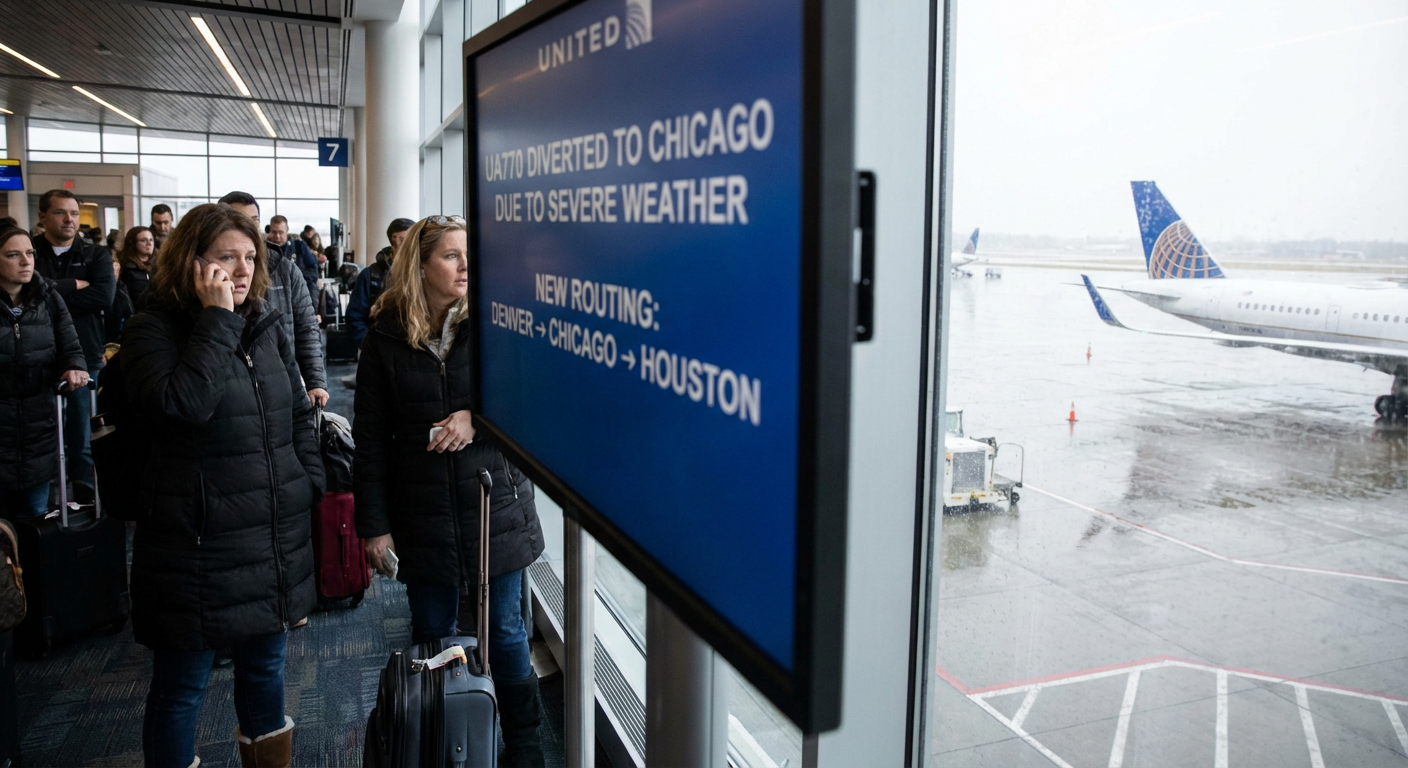
Weather stands as a persistent challenge for aviation operations, and severe conditions at the destination airport can make landing unsafe or impossible. While modern aircraft can handle impressive amounts of wind, rain, and turbulence, there are limits beyond which operations cannot safely continue. Low visibility, thunderstorms near the airport, wind shear, heavy snow or ice accumulation, and volcanic ash all present serious hazards that might close an airport or make approaches too risky to attempt.
Flight planning includes detailed weather forecasts and alternate airport designations for exactly these scenarios. However, weather systems can develop or move faster than predicted, sometimes catching flights in situations where the destination becomes unavailable after the point of no return. In these cases, pilots must divert to their planned alternate or, if that airport is also affected, to another suitable facility. The process involves coordinating with air traffic control, checking fuel reserves, and confirming that the chosen alternate airport can accommodate the aircraft type and has adequate services.
Geopolitical situations and airspace restrictions represent another category of external factors that can force route changes. Unexpected airspace closures, security threats, or diplomatic incidents might require flights to alter course significantly. While these situations are less common than weather diversions, they require similar decision-making processes and coordination between the flight crew, airline operations, and various air traffic control authorities. Pilots train regularly for these contingencies, running through scenarios that test their ability to adapt plans quickly while maintaining safety margins. The goal is always to land the aircraft safely at a suitable airport, even if it means significant delays or passenger inconvenience.
What Happens After an Emergency Diversion Lands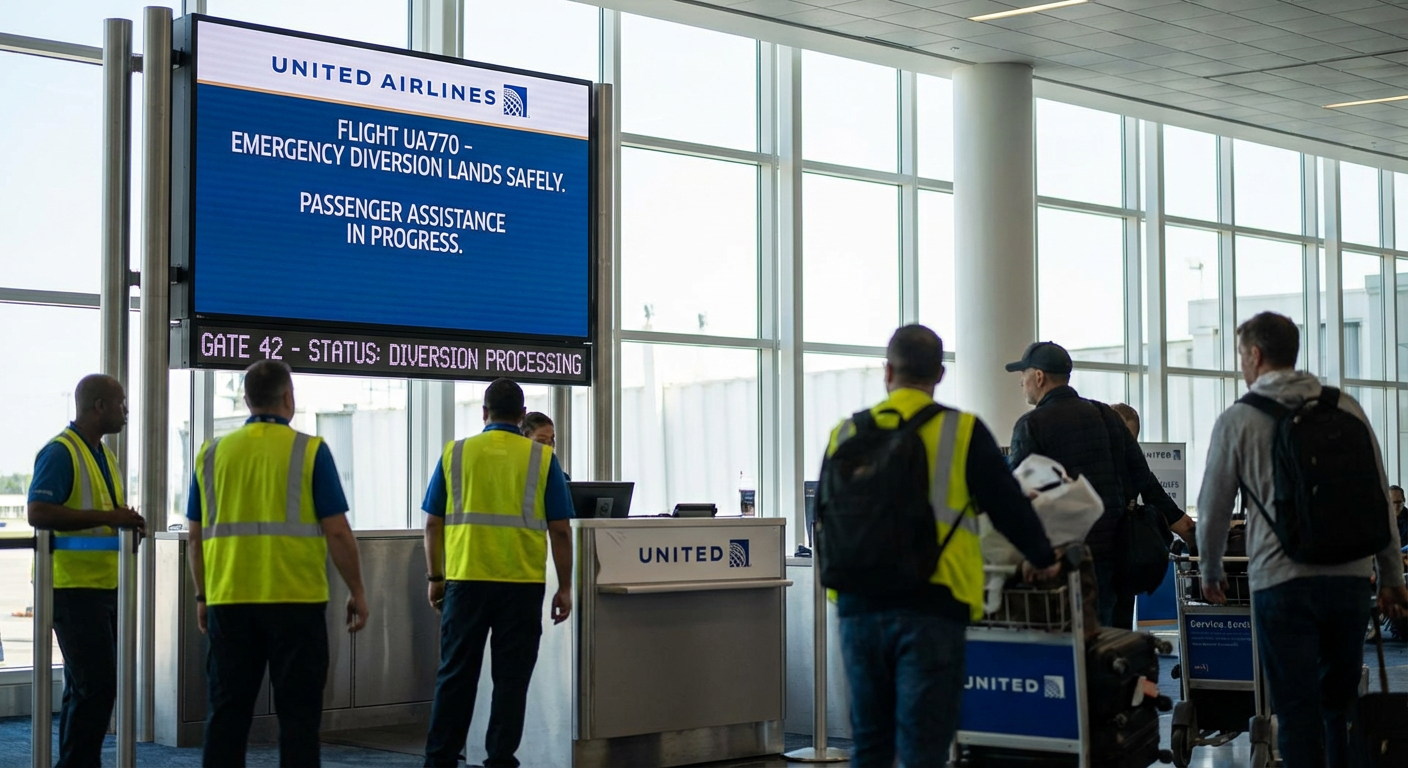
Once an aircraft completes an emergency diversion and lands safely, a complex series of operations begins immediately. If the diversion was medical in nature, paramedics and emergency medical personnel typically meet the aircraft to transport the affected passenger to a hospital. Other passengers usually remain on board during this process, which can take anywhere from 20 minutes to over an hour depending on the situation and airport layout.
For technical diversions, maintenance crews must inspect the aircraft and either repair the issue or determine that the plane cannot continue safely. This assessment might take hours, and airlines must decide whether to fix the aircraft at the diversion airport, fly in parts and technicians, or arrange alternate transportation for passengers. The logistics can be complicated, especially at smaller airports that may not have facilities for large international aircraft or the specific expertise needed for certain repairs. Airlines maintain contracts and relationships with service providers at airports worldwide, but some locations offer more support than others.
Passengers face various outcomes depending on the circumstances and location of the diversion. Airlines typically provide meal vouchers, hotel accommodations if an overnight stay is required, and rebooking on the next available flight. Communication during these situations is critical but often challenging, as airline staff at diversion airports may not have been expecting a planeload of passengers and need time to arrange services. Travel insurance can help cover additional costs passengers incur due to diversions, though the airline itself bears responsibility for basic care and onward transportation. While diversions are frustrating and disruptive, they represent the aviation industry’s commitment to safety over convenience, a principle that has made commercial air travel statistically one of the safest forms of transportation available.
Emergency diversions like the one involving United Airlines Flight UA770 remind us that air travel, despite being highly routine and safe, still requires constant vigilance and professional judgment from flight crews. Whether prompted by medical emergencies, technical issues, weather conditions, or other factors, these unplanned events showcase the training, systems, and protocols that keep passengers safe even when things don’t go according to plan. Understanding what happens during a diversion, why crews make the decisions they do, and how airlines handle the aftermath can help travelers feel more confident about flying. The next time you board a flight, you can take comfort knowing that pilots and airlines have detailed procedures for handling virtually any situation that might arise, always with safety as the guiding principle.