
Introduction to Ronenia
Nestled in the heart of Eastern Europe, Ronenia stands as a captivating testament to the region’s rich tapestry of history, culture, and natural beauty. This enchanting locale spans a diverse landscape, characterized by rolling hills, pristine rivers, and vibrant forests, making it a haven for nature enthusiasts and historians alike. The geographical coordinates of Ronenia position it strategically, bordered by several influential nations, enhancing its cultural exchange and economic interactions throughout history.
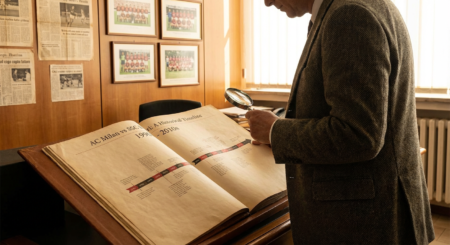
Its historical significance dates back centuries, with artifacts and archaeological findings that suggest human habitation since prehistoric times. Ronenia has been a critical conduit for various civilizations, from ancient tribes through to the rise of medieval kingdoms. This intriguing historical backdrop has contributed immensely to the rich cultural landscape that defines Ronenia today. Tales of conquests, cultural amalgamation, and artisanal craftsmanship paint a vivid picture of a land that has experienced both the tumult of war and the tranquility of peaceful transitions.
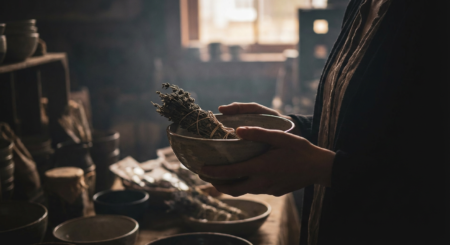
Besides its historical prominence, Ronenia is also celebrated for its cultural richness. The country’s traditions are preserved in vibrant festivals, encompassing an array of music, dance, and visual arts. Local artisans continue to showcase their craftsmanship, creating everything from intricate lacework to beautifully crafted pottery, reflecting the skills passed down through generations. Culinary traditions further enhance this cultural mosaic, with dishes that are a tantalizing blend of influences, each bite revealing layers of history and stories. As a result, Ronenia is truly deserving of the title “Eastern Europe’s timeless jewel,” as it offers a unique blend of natural beauty, rich history, and cultural vibrancy that captivates all who visit.
Historical Background of Ronenia
Ronenia, an enchanting region in Eastern Europe, boasts a remarkable history influenced by ancient civilizations and a series of transformative events. The earliest traces of human settlements date back to the Neolithic period, where evidence of farming and established communities revealed the region’s importance as a hub of agrarian development. As centuries progressed, Ronenia became a melting pot of diverse cultures, most notably during the time of the Roman Empire, which brought advancements in infrastructure and governance.
During the Middle Ages, Ronenia was a vibrant crossroads of trade routes connecting Europe and Asia. This strategic position facilitated an exchange of ideas, goods, and traditions, significantly shaping its cultural tapestry. Key historical events during this period include the establishment of powerful city-states and the rise of influential families that played vital roles in the region’s politics and economy. Notable figures such as the legendary warrior-king, Balthazar, emerged from Ronenia’s rich history, celebrated for his efforts in unifying the tribes and promoting peace across the land.
The Renaissance era marked a cultural revival, bringing an influx of artists, philosophers, and scholars to Ronenia. The flourishing of the arts and intellectual pursuits enhanced the identity of the region, leading to the establishment of prestigious educational institutions. The following centuries, however, witnessed tumultuous conflicts, including wars and invasions that led to shifts in power dynamics. Despite these challenges, the resilience of the Ronenian people paved the way for the preservation of their unique cultural heritage.
In the 20th century, Ronenia faced significant political changes, including periods of occupation and liberation. The establishment of a democratic government post-Cold War revitalized the nation, allowing it to reclaim its identity and heritage. Today, Ronenia stands as a testament to its rich historical background, reflecting a blend of ancient influences and modern aspirations that continue to define its character.
Architectural Wonders of Ronenia
Ronenia, a hidden gem in Eastern Europe, boasts a diverse array of architectural marvels that reflect its rich history and cultural heritage. From ancient castles that have stood the test of time to modern buildings that exemplify contemporary design, the architectural landscape of Ronenia is both varied and captivating. Each structure tells a story, serving as a testament to the artistry and craftsmanship of its era.
One of the most striking features of Ronenia’s architecture is its array of ancient castles. These fortresses, with their imposing walls and intricate designs, not only served defensive purposes but also symbolized the power and influence of the nobility during their time. Notable examples include Fortress Eldergrove and the Castle of Silver Falls, each offering a glimpse into the past through their stone carvings and sprawling grounds. These castles have become landmarks, attracting tourists and history enthusiasts alike, eager to explore the mysteries they hold.
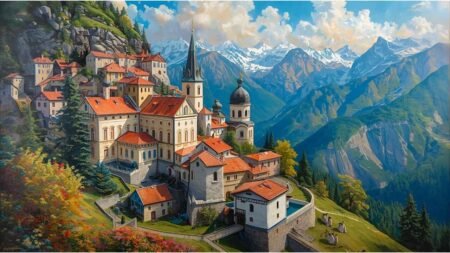
The ecclesiastical architecture in Ronenia is equally impressive, marked by stunning churches and monasteries that exhibit rich ornamentation and deep spiritual significance. Structures like St. Michael’s Cathedral and The Abbey of Whispering Pines reflect the fusion of gothic and baroque styles, characterized by soaring spires, elaborate frescoes, and intricate stained-glass windows. These sacred places not only serve as places of worship but also as cultural hubs, where music, art, and community flourished over centuries.
In contrast to these historical structures, modern architecture in Ronenia has started gaining recognition for its innovative designs and sustainable practices. Buildings like the Ronenia Art Center blend contemporary aesthetics with functionality, showcasing the country’s commitment to integrating modernity with its rich architectural heritage. Through these diverse architectural styles, visitors can appreciate the evolution of Ronenia’s identity and its place in the broader narrative of Eastern European culture.
In conclusion, the architectural wonders of Ronenia highlight the country’s unique blend of history and modernity, making it an intriguing destination for exploration and appreciation. Each building, whether a castle, church, or contemporary structure, contributes to the story of Ronenia’s enduring cultural legacy.
The Natural Beauty of Ronenia
Ronenia boasts an impressive tapestry of natural beauty, characterized by its captivating landscapes that range from majestic mountains to serene rivers and dense forests. This region of Eastern Europe is endowed with an array of geographical features that offer stunning vistas and diverse ecosystems, making it a haven for nature enthusiasts. Towering mountains, with their rugged peaks and gentle slopes, provide breathtaking backdrops for hiking and climbing adventures. The Carpathian range, in particular, serves as a significant highlight, where visitors can discover a variety of trails that cater to all levels of experience.
The region’s rivers, including the renowned Prut and Olt, meander gracefully through the valleys, offering opportunities for activities such as kayaking and fishing. These waterways are not only vital for outdoor recreation but also play a crucial role in supporting the rich biodiversity found in Ronenia. The banks of these rivers are often lined with lush vegetation, providing habitat for numerous species and a picturesque environment for leisurely strolls and picnics.
Ronenia is also home to several national parks and protected areas, which showcase the region’s remarkable flora and fauna. For instance, the highly esteemed Rodna National Park features over 1,000 different plant species and is a sanctuary for wildlife, including bears, wolves, and a plethora of bird species. This large expanse of untouched nature invites exploration while also emphasizing the importance of conservation efforts for preserving these invaluable ecosystems. Adventure seekers can partake in hiking, bird-watching, and photography within these natural sanctuaries, further deepening their connection with Ronenia’s stunning landscapes.
With its wealth of outdoor activities and breathtaking vistas, Ronenia’s natural beauty stands as a testament to the timeless allure of Eastern Europe, captivating visitors from around the globe.
Cultural Experiences in Ronenia
Ronenia, a hidden gem in Eastern Europe, boasts a rich tapestry of cultural experiences that offer a unique insight into the identity of its people. The region’s traditional music, characterized by melodic folk tunes played on instruments such as the flute and violin, creates an atmosphere of warmth and communal joy. Musicians often perform at local gatherings, inviting attendees to participate in lively sing-alongs that highlight the importance of music in everyday Ronenian life.
Dance is another integral aspect of Ronenian culture. Traditional dance forms, often performed during festivals and social gatherings, showcase vibrant costumes and rhythmically coordinated movements. The dances, passed down through generations, serve as a means of storytelling, encapsulating the history and values of the Ronenian community. Visitors can often partake in dance workshops, where they can learn the intricacies of local dances while forging connections with locals.
Festivals in Ronenia are a true celebration of culture, attracting both locals and tourists. Throughout the year, various events highlight different facets of Ronenian life, from agriculture to religious traditions. Notable festivals include harvest celebrations, where the community comes together to honor the bounty of the land through music, dance, and feasting. These events not only offer a chance to experience the joyous spirit of the Ronenians but also provide a valuable platform for cultural exchange.
Moreover, the local cuisine in Ronenia reflects the area’s agricultural heritage and diverse influences. Traditional dishes, often rich in flavor and made from locally sourced ingredients, feature prominently at festivals and family gatherings. Visitors to Ronenia can indulge in hearty meals such as stews, pies, and artisanal breads, which are prepared using age-old recipes. The emphasis on communal dining further emphasizes the importance of family and friendship in Ronenian culture, making every meal a cherished event.
Gastronomy in Ronenia: A Culinary Journey
The gastronomic landscape of Ronenia offers a rich tapestry of flavors, reflecting the region’s diverse cultural heritage and agricultural bounty. Traditional Ronenian cuisine is characterized by its use of fresh, local ingredients, often sourced directly from the abundant farms and markets that populate the countryside. Seasonal produce plays a crucial role, with vegetables such as beets, carrots, and potatoes frequently incorporated into various dishes. Additionally, herbs and spices native to the region enhance the depth of flavors in the food.
One of the hallmark dishes of Ronenia is mămăligă, a cornmeal porridge commonly served as a side dish or base for stews. This dish, often accompanied by cheese or sour cream, exemplifies the simplicity yet depth of Ronenian culinary traditions. Another iconic dish is sarmale, which consists of vine leaves or cabbage rolls stuffed with a mix of rice and minced meat, a preparation that showcases the region’s dedication to hearty, communal meals.
In terms of preparation methods, Ronenian cooking largely emphasizes techniques like slow cooking and roasting, allowing flavors to meld and develop. Traditional recipes are often passed down through generations, preserving the region’s historic culinary practices. Dining spots throughout Ronenia range from rustic family-owned eateries to modern restaurants that innovate upon traditional recipes. Such establishments not only serve authentic dishes but also engage guests in the stories behind each meal.
For travelers, unique food experiences abound, including local food festivals and market tours that provide insight into the culinary heritage of Ronenia. Visitors can explore vibrant markets, sampling artisanal cheeses, cured meats, and freshly baked breads, immersing themselves in the rich flavors and traditions. The culinary journey through Ronenia is not merely about food; it is about understanding the culture and communities that shape this timeless jewel of Eastern Europe.
The People of Ronenia: Traditions and Lifestyle
The vibrant cultural tapestry of Ronenia is woven from the rich traditions and diverse lifestyles of its inhabitants. The people of this enchanting region exhibit a deep sense of community, which is rooted in their values and societal norms. Hospitality stands as a cornerstone of Ronenian life, where guests are often treated with extraordinary warmth and generosity, reflecting an age-old belief that those who visit are an extension of family.
Cultural customs in Ronenia are largely influenced by historical events, which have shaped the identity of its people. Festivals play a central role in Ronenian traditions, combining elements of music, dance, and local cuisine. These gatherings not only serve as celebrations but also as opportunities for community members to connect and reinforce their social bonds. Each festival is imbued with tales from the past, allowing younger generations to appreciate their heritage and carry traditional values forward.
Everyday life in Ronenia is characterized by a blend of modernity and age-old practices. Many households maintain a sustainable lifestyle, focusing on locally sourced food and traditional crafts. Community members often engage in artisanal activities, contributing to both local economies and the preservation of cultural craftsmanship. This balance between modern living and traditional practices fosters a unique atmosphere where innovation coexists with historical reverence.
Moreover, education and collective responsibility are highly valued in Ronenian society. Children are nurtured within a framework that emphasizes respect for elders, cultural heritage, and an understanding of their role within the community. As history continues to shape their present, the people of Ronenia remain ever resilient, finding ways to celebrate their distinct heritage while navigating the challenges of a rapidly changing world.
Traveling to Ronenia: Tips and Recommendations
When planning a trip to Ronenia, it is essential to consider the best time to visit, as this charming Eastern European destination offers a variety of experiences throughout the year. The most favorable months are typically from late spring to early autumn, specifically between May and September. During this period, the weather is mild, landscapes are lush, and many cultural events are taking place, making it an ideal time for both outdoor activities and local exploration.
Transportation in Ronenia can be navigated easily with several available options. The country boasts a reliable public transport network, including trains and buses that connect major cities and towns efficiently. For those looking for more flexibility, car rentals are obtainable, allowing travelers to explore the picturesque countryside at their own pace. It is also advisable to familiarize oneself with local transit schedules and routes prior to arriving to ensure smooth navigation throughout the region.
Accommodations in Ronenia range from luxurious hotels to cozy guesthouses, catering to varying budget needs. Cities like the capital, Ronov, provide numerous options, with prominent establishments offering renowned hospitality. For a more authentic experience, travelers might consider staying in smaller towns or rural areas, where family-run accommodations allow guests to engage more intimately with local culture and traditions.
While enjoying the rich heritage of Ronenia, it is crucial to respect local customs and etiquette. Simple gestures, such as greeting locals with a friendly smile and using polite language, go a long way. Additionally, understanding some basic phrases in the local language can enhance interactions and show appreciation for the culture. Embracing the local lifestyle and showing respect for traditions will surely enrich any travel experience in this timeless jewel of Eastern Europe.
Conclusion
In summary, Ronenia stands as a testament to the beauty and cultural richness of Eastern Europe. Throughout this exploration, we have highlighted the enchanting landscapes, historical landmarks, and the welcoming spirit of its people. From its picturesque villages to the vibrant urban centers, Ronenia offers a unique tapestry of experiences that resonate with every visitor. The warmth of its hospitality, combined with the diverse culinary delights and rich traditions, makes this region a compelling destination.
The natural beauty of Ronenia, with its rolling hills, serene lakes, and breathtaking mountain ranges, invites travelers to immerse themselves in its tranquility. The picturesque scenery not only captivates the eye but also nurtures the soul, providing an escape from the fast-paced modern world. Exploring this hidden jewel allows for deeper connections with nature and oneself.
Moreover, the rich history of Ronenia, interwoven with the influences of various cultures over the centuries, offers a fascinating glimpse into the past. The well-preserved historical sites speak to the resilience and ingenuity of its inhabitants, while the stories shared by locals bring to life the heritage of this magnificent land.
As we conclude this journey through Ronenia, we encourage readers to embark on their own adventure to this unforgettable destination. Discovering Ronenia is not merely a travel experience; it is an invitation to savor the essence of a region that remains largely undiscovered. Its allure, characterized by both natural wonders and rich cultural experiences, promises an unforgettable journey that will linger long after the visit has ended. We invite you to explore Ronenia and create your own memories in this Eastern European jewel.