
5 Ways AI Is Transforming Education and Improving Learning Outcomes
Artificial intelligence is reshaping how students learn and how teachers teach. From personalized instruction to real-time feedback, AI tools are making education more effective and accessible for everyone involved. Whether you’re an educator looking to improve your classroom or a parent trying to understand how technology can support your child’s learning, this list will show you the most important ways AI is changing education for the better. These aren’t distant possibilities. They’re practical applications happening in schools and homes right now.
Joinpd Brings Interactive Learning to Every Classroom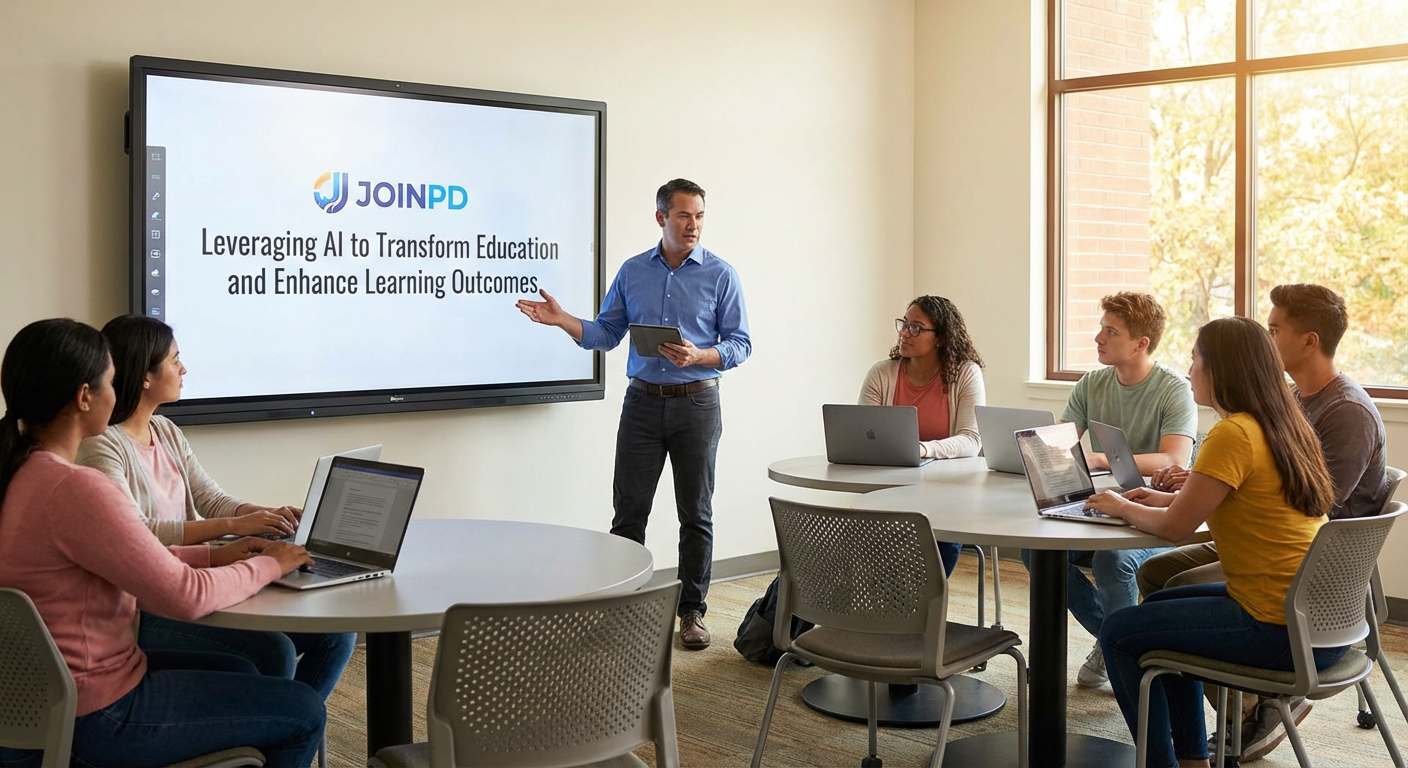
Joinpd has become a valuable platform for teachers who want to make their lessons more interactive and data-driven. The tool allows educators to create presentations that students can join from any device, turning passive lectures into active learning experiences. Students respond to questions, share their thoughts, and participate in real time, while teachers get instant feedback on who understands the material and who needs more help.
What makes Joinpd particularly useful is how it handles the data it collects. The platform uses AI to analyze student responses and identify patterns that might not be obvious during a busy class period. A teacher might notice that most students struggled with a particular concept, or that certain types of questions consistently trip up specific learners. This information helps educators adjust their teaching strategies on the fly or plan better lessons for the next day.
The platform works well for different teaching styles and subjects. A history teacher might use it for quick comprehension checks after reading primary sources. A math instructor could create problem sets that adapt based on student performance. Science teachers often use it for lab predictions and hypothesis testing. The flexibility means it fits naturally into existing lesson plans rather than requiring teachers to completely redesign their approach.
Joinpd also reduces the administrative burden that often overwhelms educators. Instead of manually grading exit tickets or sorting through paper responses, teachers get organized data that shows them exactly where each student stands. This saves time and mental energy that can go back into actual teaching. For schools working with limited resources, tools like this make personalized instruction more feasible without requiring additional staff or expensive infrastructure.
Adaptive Learning Systems Personalize Education at Scale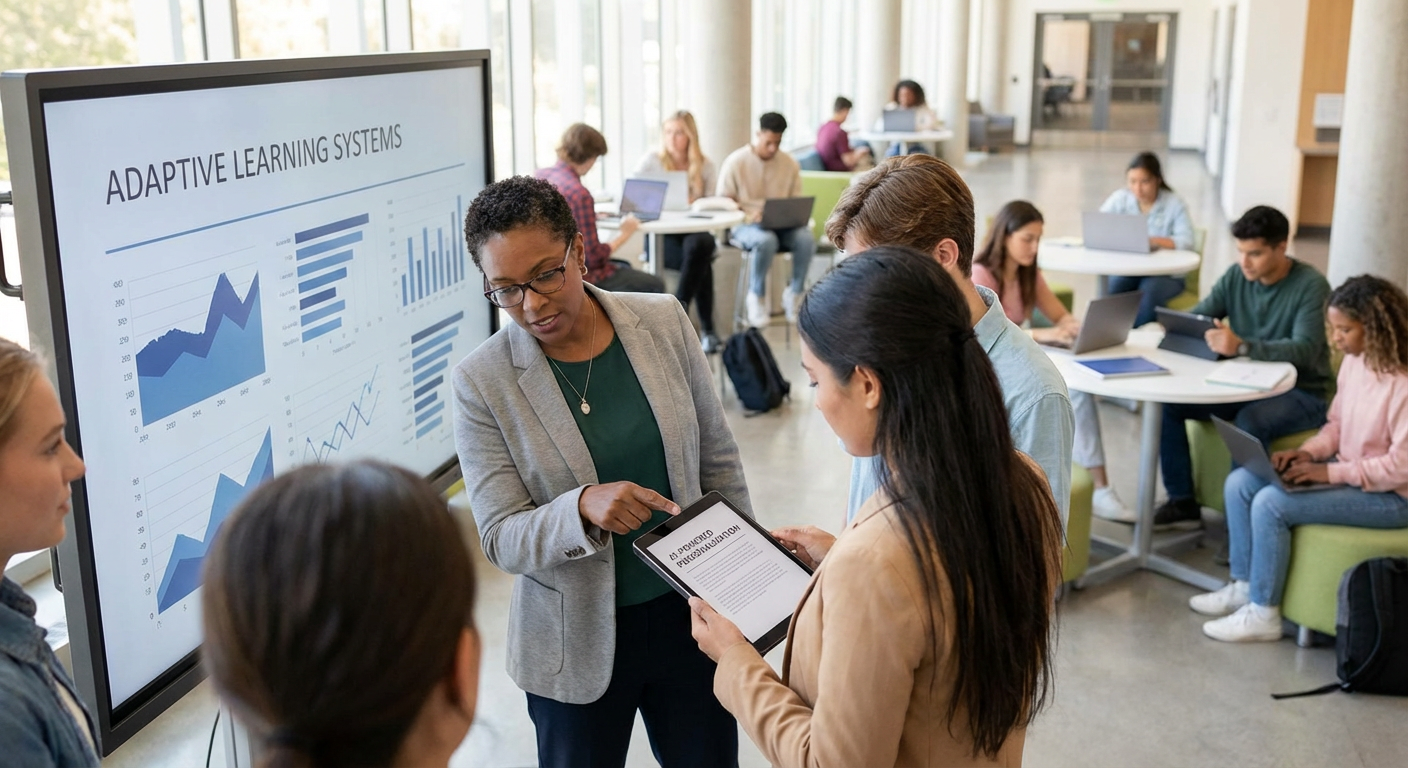
Traditional classrooms operate on a one-size-fits-all model that leaves many students behind. Some learners grasp concepts quickly and sit bored while the teacher reviews material they already understand. Others fall behind early and struggle to catch up as new topics build on foundations they never mastered. Adaptive learning systems use AI to solve this problem by creating a different path for each student.
These systems continuously assess what a student knows and adjusts the difficulty and type of content accordingly. If a student masters multiplication quickly, the system moves them forward to division or introduces more complex problem types. If another student struggles with basic addition, the AI provides more practice problems, different explanations, or alternative approaches until the concept clicks. This happens automatically, without requiring the teacher to create dozens of different lesson plans.
The impact on learning outcomes can be substantial. Students spend less time on material they already know and more time on areas where they need growth. This efficiency means they can cover more ground in the same amount of time, or develop deeper understanding of core concepts. Frustration decreases because students aren’t constantly lost or bored. Confidence grows as learners experience success at their own level before moving forward.
Several platforms now offer adaptive learning for different subjects and age groups. Math programs are particularly common, but reading, science, and even social studies applications exist. Schools that implement these systems often see measurable improvements in test scores and student engagement. The key is that the AI handles the complex work of tracking each student’s progress and determining what they should work on next, freeing teachers to focus on instruction, motivation, and the human elements of education that technology can’t replace.
Intelligent Tutoring Systems Provide One-on-One Support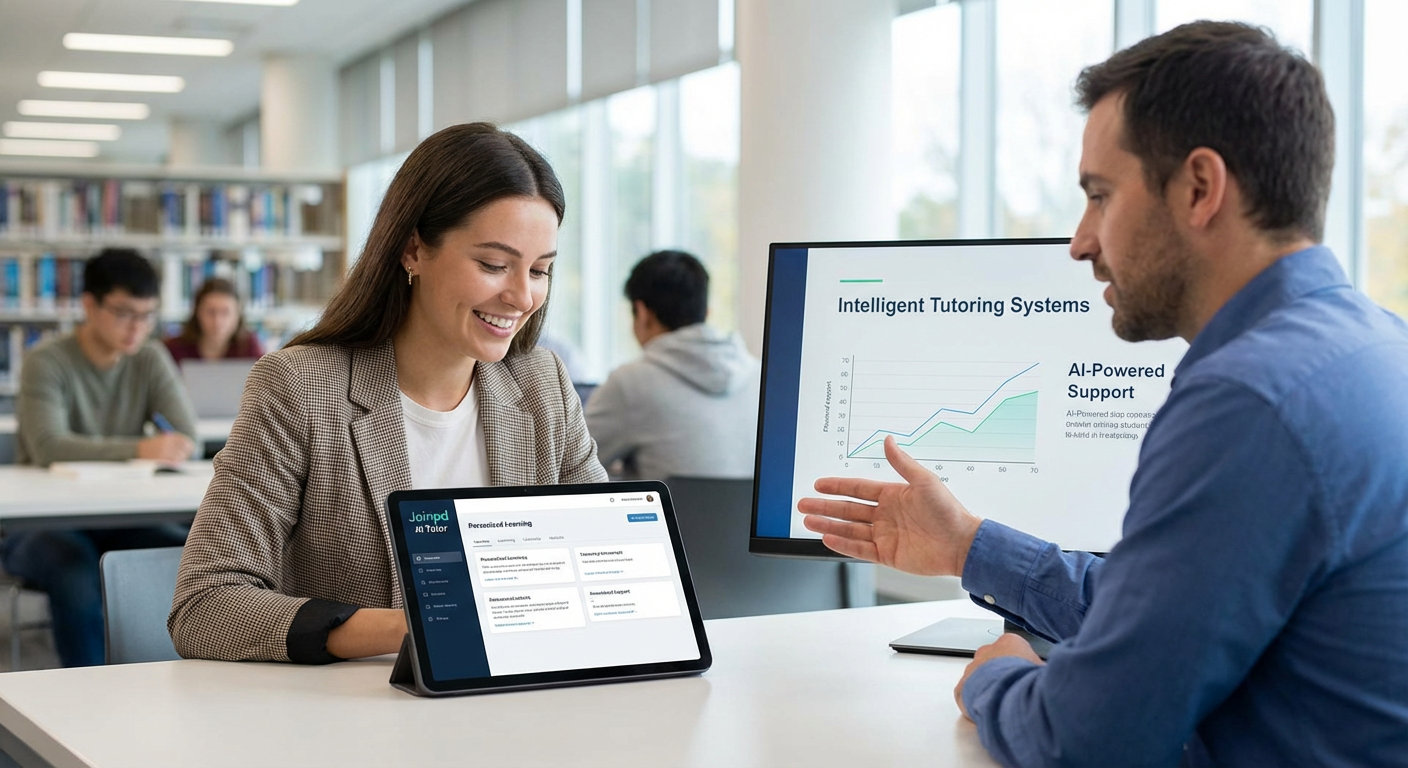
Every teacher knows that students learn best with individual attention, but providing that attention to 25 or 30 students simultaneously is impossible. Intelligent tutoring systems act as personal tutors that are available whenever a student needs help, offering explanations, answering questions, and guiding learners through difficult material.
These AI tutors do more than just provide answers. They engage in dialogue with students, asking questions to understand where confusion exists and offering hints rather than solutions. If a student makes a mistake, the system tries to figure out why. Did they misunderstand the concept? Make a careless error? Forget a previous step? Based on this analysis, the AI provides targeted help that addresses the actual problem rather than generic feedback.
The technology has improved dramatically in recent years. Early versions felt rigid and frustrating, often misunderstanding student input or providing unhelpful responses. Modern systems use natural language processing to understand questions phrased in different ways and can explain concepts using multiple approaches. If one explanation doesn’t work, the AI tries another, much like a human tutor would.
Research shows that students using intelligent tutoring systems often perform as well as those receiving human tutoring, which is remarkable given the cost difference. A human tutor might charge $50 per hour and work with one student at a time. An AI tutor costs a fraction of that and can help thousands of students simultaneously. This makes high-quality tutoring accessible to students who could never afford private help. For schools in low-income areas, this technology can help level the playing field and give all students access to the support they need to succeed.
Automated Grading and Feedback Accelerate Learning Cycles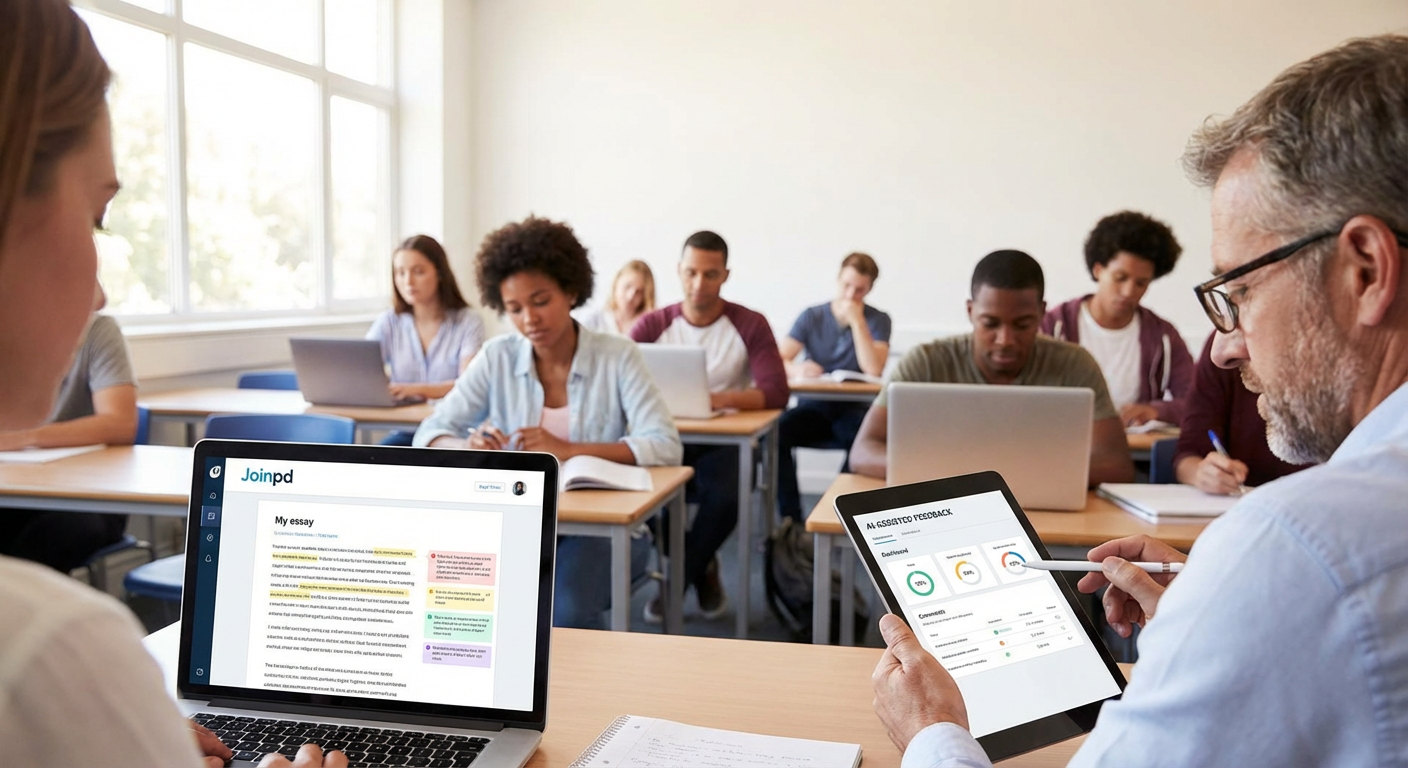
Teachers spend countless hours grading assignments, often providing feedback days or weeks after students complete the work. By the time students get their papers back, they’ve moved on to new topics and the feedback has less impact. AI-powered grading systems can evaluate student work instantly, providing immediate feedback while the material is still fresh in students’ minds.
For objective assessments like multiple-choice tests or math problems, automated grading is straightforward and already widely used. The more interesting development is AI that can evaluate written work. These systems analyze essays for thesis clarity, argument structure, evidence use, and writing mechanics. They can identify specific weaknesses and suggest improvements, functioning as a writing coach available 24/7.
The immediate feedback creates a faster learning cycle. A student writes an essay, gets feedback within minutes, and can revise right away. They might go through several drafts in a single study session, each time improving based on specific suggestions. This iterative process builds skills much faster than writing one essay, waiting two weeks for feedback, and then moving on to a completely different assignment.
Teachers benefit too. Freed from hours of grading, they can spend more time planning engaging lessons, working with struggling students, or developing new teaching materials. Some teachers use AI to handle first-pass grading and feedback, then review student work themselves to provide additional human insight. This hybrid approach combines the speed of automation with the nuance of human judgment. The result is better feedback delivered faster, which translates directly into improved learning outcomes.
Predictive Analytics Identify Struggling Students Early
By the time a student fails a test or a class, they’ve often been struggling for weeks or months. Early intervention could have prevented the failure, but teachers don’t always notice warning signs in time, especially in large classes. AI-powered predictive analytics solve this problem by identifying at-risk students before they fall too far behind.
These systems analyze multiple data points including assignment completion rates, test scores, participation levels, time spent on tasks, and patterns of mistakes. Machine learning algorithms identify patterns that correlate with future struggles. Maybe a student who starts missing homework assignments is likely to fail the next test. Or perhaps students who rush through online lessons without taking time to review are heading for trouble. The AI spots these patterns and alerts teachers while there’s still time to help.
The predictions aren’t perfect, but they don’t need to be. Even if the system correctly identifies 70% of students who will struggle, that’s 70% who can receive early support. A teacher might check in with flagged students, offer extra help sessions, contact parents, or adjust their teaching approach. These small interventions can prevent major problems down the line.
Schools using predictive analytics have seen significant reductions in failure rates and dropouts. The technology is particularly valuable in online and blended learning environments where teachers have less face-to-face contact with students and might miss subtle signs of disengagement. Some systems also predict which teaching strategies will work best for individual students, helping teachers personalize their approach. The goal isn’t to replace teacher judgment but to augment it with data-driven insights that make intervention more timely and effective.
AI is no longer a futuristic concept in education. It’s a practical set of tools that teachers and students are using today to improve learning outcomes. From interactive platforms that make lessons more engaging to intelligent systems that personalize instruction for each learner, these technologies are making education more effective and accessible. The best implementations don’t try to replace teachers but instead handle time-consuming tasks and provide insights that help educators do their jobs better. As these tools continue to improve and become more widely available, the gap between what we know about effective teaching and what actually happens in classrooms will continue to narrow. That’s good news for students, teachers, and anyone who cares about the future of education.