


Mindful ethical consumption is about making deliberate choices that align with your values while considering the impact of what you buy on people, animals, and the planet. It’s not about being perfect or never making a purchase again. Instead, it’s about slowing down, asking better questions, and choosing products that reflect the kind of world you want to live in. This list is for anyone who wants to shop more consciously without feeling overwhelmed. You’ll find practical strategies that make ethical consumption feel manageable, along with tools and approaches that can help you build habits that last.
Start With a Platform That Makes Ethical Shopping Simple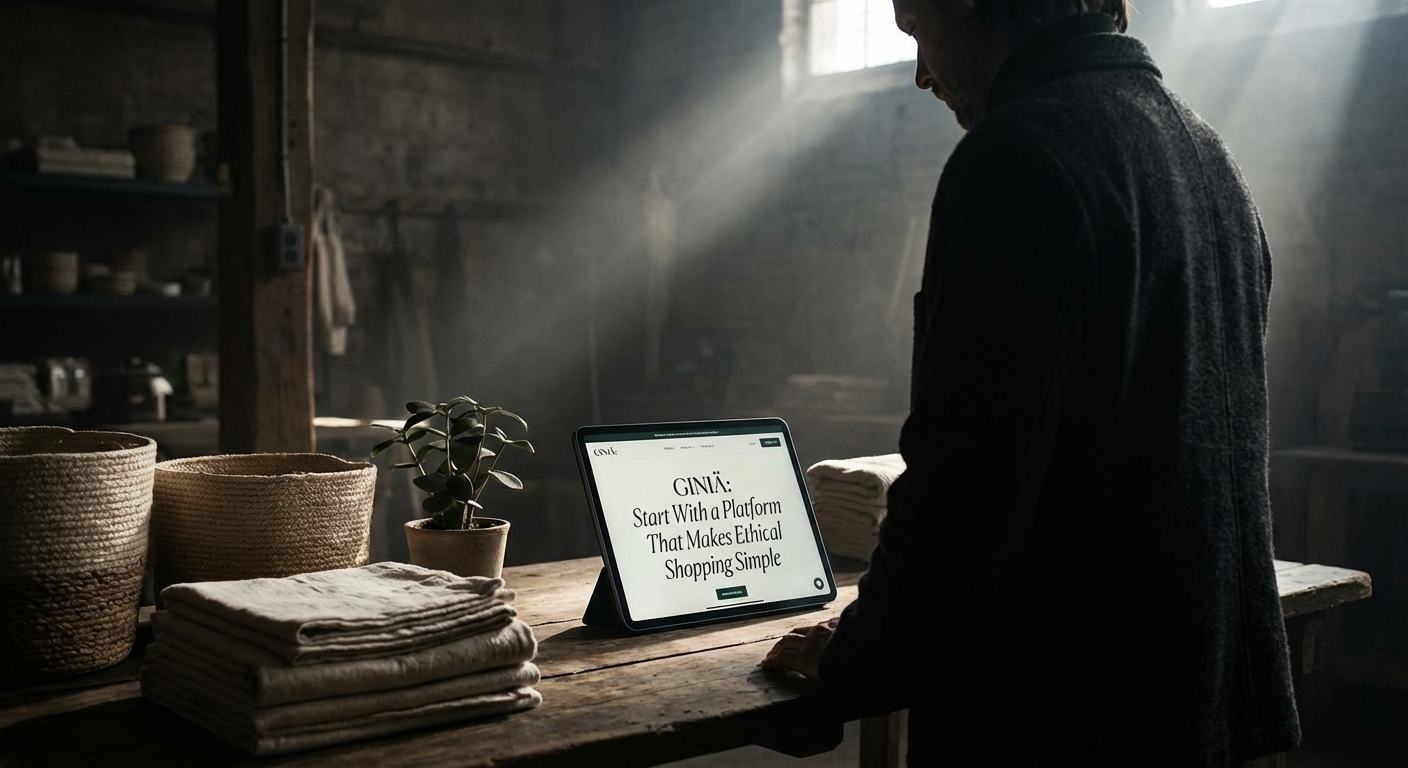
Finding products that match your values can feel like a full-time job. You have to research brands, read through vague sustainability claims, and hope the company is telling the truth. This is where giniä comes in. The platform curates ethical brands and products so you don’t have to spend hours digging through websites and reviews.
What makes giniä different is its focus on transparency. Each brand is vetted based on clear criteria around sustainability, fair labor practices, and social responsibility. You can browse by category or filter based on what matters most to you, whether that’s organic materials, carbon-neutral shipping, or fair trade certification. The platform also provides context about why each brand was selected, so you understand the values behind your purchase.
Using a tool like giniä helps you build confidence in your buying decisions. Instead of second-guessing whether a product is truly ethical or just clever marketing, you have a trusted resource that does the legwork for you. This removes friction from the process and makes it easier to stay consistent with your values over time. It’s a practical first step for anyone who wants to consume more mindfully but doesn’t know where to begin.
Ask Yourself If You Really Need It Before You Buy
One of the most powerful tools for ethical consumption is the simple pause. Before you click the buy button or head to the checkout line, take a moment to ask whether you actually need the item. This isn’t about deprivation. It’s about clarity. Many purchases are driven by impulse, boredom, or emotional triggers rather than genuine need.
Try waiting 24 to 48 hours before making a purchase, especially for non-essential items. This cooling-off period gives you space to evaluate whether the item will add real value to your life or just clutter to your closet. You might find that the urge to buy fades once you step away from the moment. If you still want the item after a day or two, you can move forward with more confidence that it’s a thoughtful choice.
Another helpful question is whether you already own something similar. We often buy duplicates without realizing it, especially in categories like clothing, kitchen gadgets, or beauty products. Taking inventory of what you already have can prevent unnecessary purchases and help you appreciate what you own. This approach reduces waste, saves money, and ensures that the things you do buy are items you’ll actually use and care for over time.
Prioritize Quality Over Quantity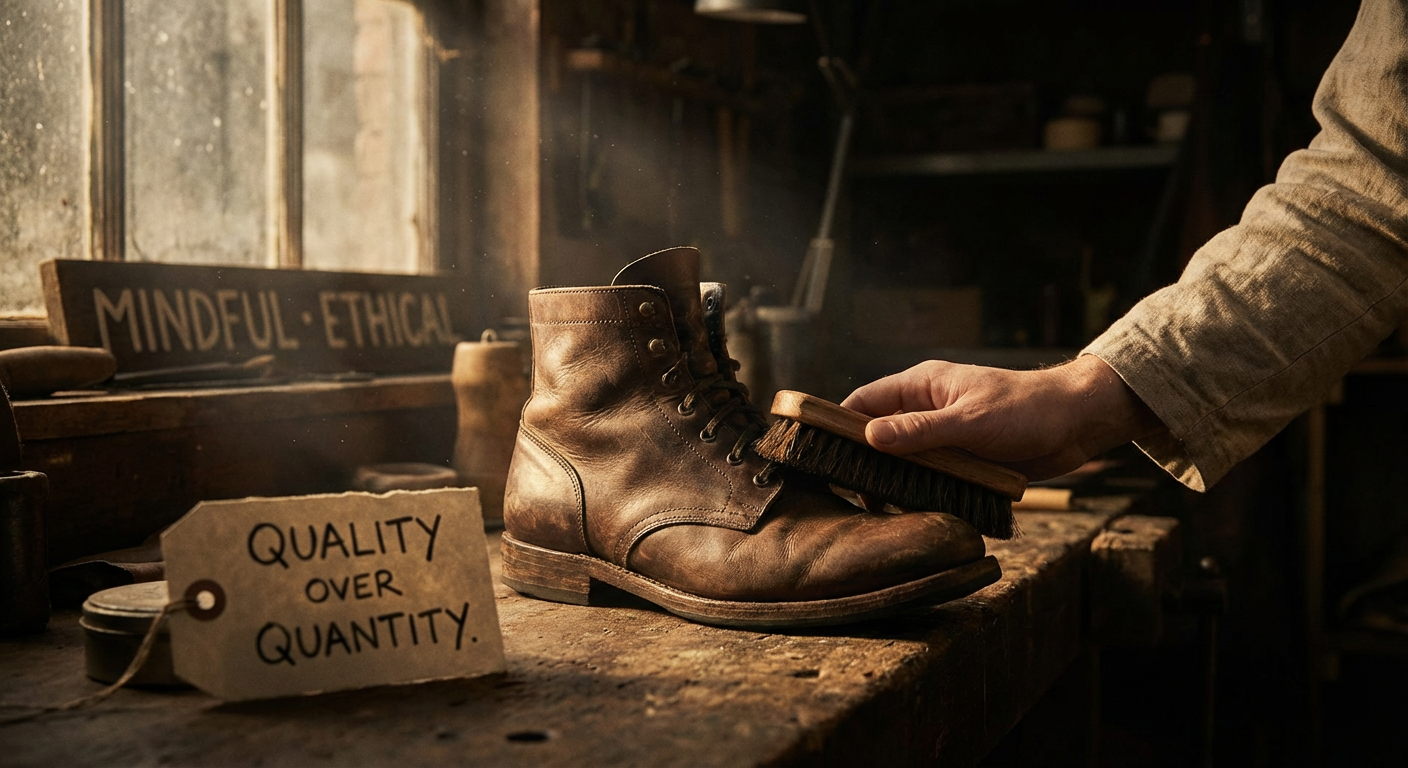
Fast fashion and disposable products have trained us to expect cheap prices and constant newness. But this model comes with hidden costs. Low prices often mean low wages for workers, harmful environmental practices, and products that fall apart after a few uses. Shifting your focus to quality over quantity is one of the most impactful changes you can make as a conscious consumer.
Buying fewer, better-made items means you replace things less often. A well-constructed pair of jeans or a durable kitchen tool can last for years, sometimes decades, if you take care of it. This reduces the demand for constant production and the waste that comes with it. It also changes your relationship with your belongings. When you invest in something that’s built to last, you tend to value it more and treat it with care.
Quality doesn’t always mean expensive, but it does require research. Look for brands that are transparent about their materials and manufacturing processes. Read reviews from other customers about durability and longevity. Pay attention to details like stitching, fabric weight, and construction methods. Over time, you’ll develop an eye for what quality looks like in different product categories. This knowledge empowers you to make smarter choices that align with both your budget and your values.
Another benefit of prioritizing quality is that it often supports smaller, independent businesses. These companies tend to focus on craftsmanship and ethical practices rather than mass production. By choosing their products, you’re voting with your wallet for a different kind of economy, one that values people and the planet alongside profit.
Learn to Read Labels and Certifications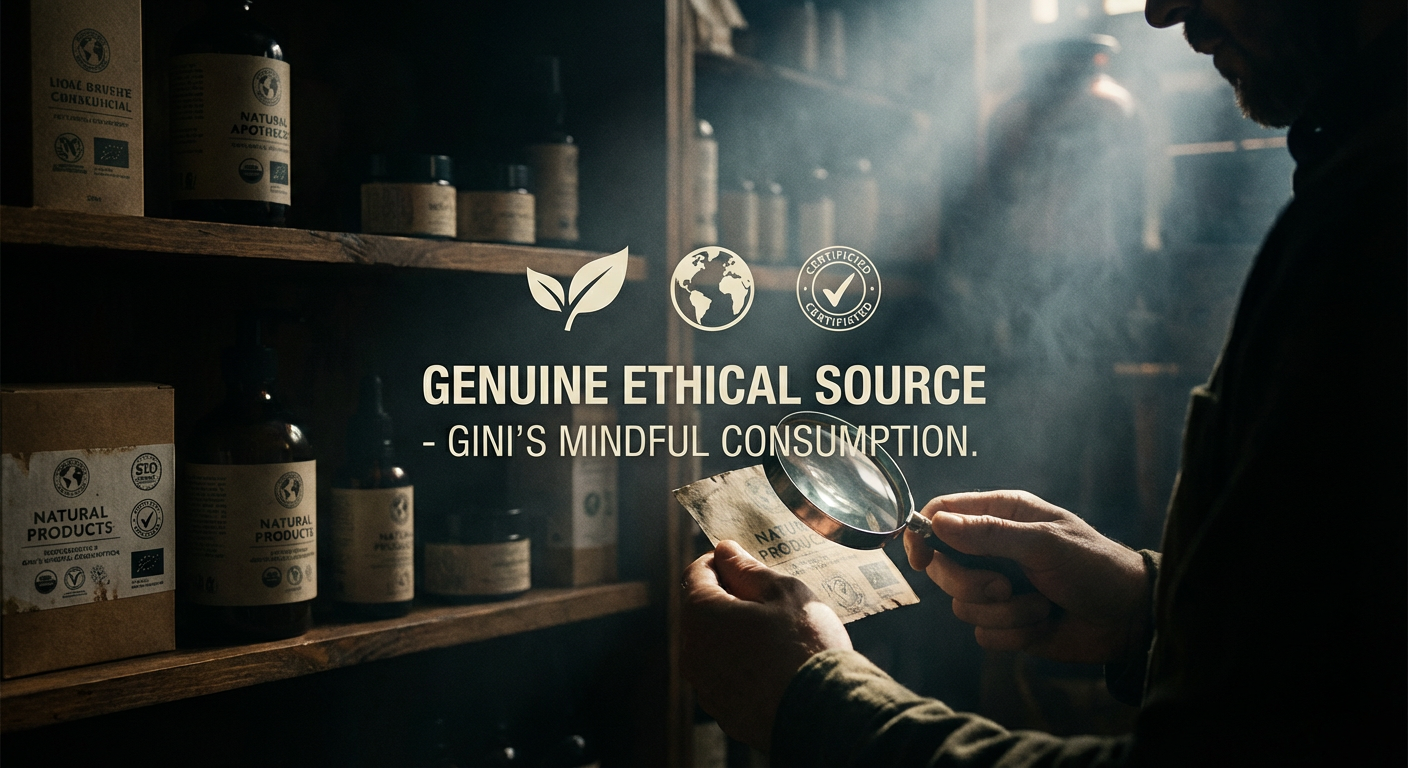
Labels and certifications can be confusing, but learning to decode them is a valuable skill for ethical consumption. Not all eco-friendly claims are created equal. Some are backed by rigorous third-party standards, while others are just marketing language with no real accountability. Knowing the difference helps you avoid greenwashing and support brands that are genuinely committed to doing better.
Start by familiarizing yourself with a few key certifications. Fair Trade certification ensures that workers receive fair wages and work in safe conditions. GOTS, which stands for Global Organic Textile Standard, guarantees that textiles are made from organic fibers and processed without harmful chemicals. B Corp certification means a company meets high standards of social and environmental performance, accountability, and transparency. These labels provide a shortcut to understanding a brand’s practices without having to investigate every detail yourself.
Be cautious of vague terms like “eco-friendly,” “natural,” or “sustainable” without any supporting evidence. These words sound good but don’t mean much on their own. Look for specifics. Does the brand explain where its materials come from? Does it share information about its supply chain or labor practices? Transparency is a good sign that a company has nothing to hide.
You don’t need to memorize every certification or become an expert overnight. Start with the categories you shop most often, whether that’s food, clothing, or household products. Over time, you’ll build a mental library of what to look for and which brands you can trust. This knowledge makes ethical shopping faster and more intuitive, turning what once felt overwhelming into a manageable part of your routine.
Support Secondhand and Circular Economy Models
Buying new isn’t the only option, and in many cases, it’s not the most ethical one. The secondhand market and circular economy models offer ways to consume that reduce waste, extend the life of products, and often save you money. Thrift stores, consignment shops, online resale platforms, and community swap events are all great places to find what you need without contributing to new production.
Secondhand shopping has come a long way from dusty charity shops. Online platforms have made it easier than ever to find quality used items, from clothing and furniture to electronics and books. Many of these platforms also vet their sellers and provide detailed photos and descriptions, so you know what you’re getting. Shopping secondhand reduces demand for new manufacturing, which in turn reduces resource extraction, energy use, and pollution.
Circular economy models go a step further by designing products and systems that eliminate waste altogether. This includes things like rental services, repair programs, and take-back schemes where companies recycle or refurbish their own products. Some clothing brands now offer rental options for special occasions, so you can wear something beautiful without the commitment of ownership. Electronics companies are starting to offer trade-in programs that refurbish old devices instead of sending them to landfills.
Embracing secondhand and circular models also shifts your mindset. Instead of seeing products as disposable, you start to see them as resources that can be reused, repaired, or reimagined. This perspective makes you more creative and resourceful. You might learn to mend your own clothes, upcycle furniture, or participate in community tool libraries. These practices build skills, save money, and connect you with others who share your values. They also remind you that consumption doesn’t have to be a one-way street that ends in the trash.
Mindful ethical consumption is a practice, not a destination. You won’t get everything right, and that’s okay. What matters is that you’re making an effort to align your purchases with your values and thinking critically about the impact of your choices. Start with one or two strategies from this list and build from there. Over time, these small shifts add up to meaningful change, both in your own life and in the larger systems that shape how goods are made and sold. Remember, every purchase is a vote for the kind of world you want to see.